







Customers today expect fast answers on their favorite chat apps. If they have to wait, they get frustrated. Smart chat routing is the solution. It quickly connects customers to the right person or answer. This keeps them happy and your team efficient.
Introduction
The way we handle customer service has changed completely. This guide explains what chat routing is. It also shows why it is vital for any modern business.
The Evolution of Customer Service: From Queues to Conversations
We all remember the old days of customer service. You called a number and waited in a long queue. It was slow and impersonal. Today, customers want to connect instantly. They use social media, website chat, and messaging apps. This shift means businesses must manage many conversations at once. This creates new challenges.
What is Chat Routing?
Chat routing is a system. It automatically sorts and sends chats to the best person or department. Think of it as a digital traffic controller for your support team. The main goal is to get the customer's question fixed on the first try. Good routing improves the customer experience. It also makes your support team's job much easier.
Understanding the Core Principles of Chat Routing
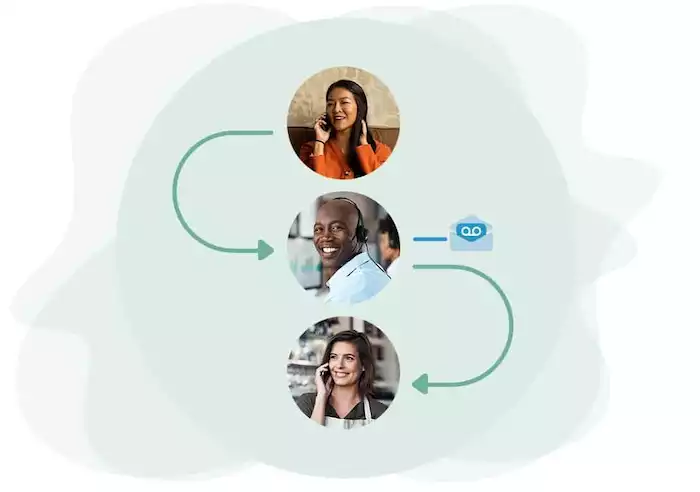
Good chat routing is not just random. It follows specific rules. These rules help make your support team work better.
Objectives of Effective Chat Routing
The main goal is speed and accuracy. You want to solve problems faster. This helps fix issues on the first try. This is called first-contact resolution. Customers are happier when they get fast, correct answers. This process also helps your team work better. Agents do not waste time on the wrong questions.
Key Components of a Chat Routing System
A good system has four main parts. First, it must know what the chat is about. It can learn this from a form or with AI. Second, a "rules engine" decides where the chat should go. This engine follows your company's rules. Third, the system must know which agents are free. It also knows what skills each agent has. Finally, it needs a queue. This queue holds chats if all agents are busy.
Types of Chat Routing Methods
These numbers measure your team's work. Average Handle Time (AHT) is the total time spent on one chat. First Contact Resolution (FCR) is very important. It tracks if the problem was fixed in just one chat. You also watch your Agent Utilization Rate. This shows if agents are too busy or not busy enough. Finally, the Chat Abandonment Rate is key. It shows how many customers left the queue before getting help.
Implementing and Optimizing Your Chat Routing Strategy

You need a clear plan to set up chat routing. First, review your current system to understand how conversations are handled. Then, design a new routing flow that matches your team structure and response process.
On the market, there are many third-party tools that can help you automate conversation routing. One of them is Pancake, which offers advanced routing features you can integrate into your workflow.
Assessing Your Current Customer Service Landscape
Start by looking at your data. How many chats do you get each day? What are the most common questions? Find the spots where customers wait the longest. You also need to know your team's skills. See who is good at sales. See who is good at tech support. This information helps you build your routing rules.
Designing Your Chat Routing Logic
Now you can create your rules. You can route chats based on the customer's needs. You can also use their language or purchase history. It is powerful to connect your chat tool to your CRM. This gives agents the customer's full history. You can also use chatbots to ask questions first. The bot gets basic info. Then, it passes the chat to a live agent.
Technology and Tools for Chat Routing
You need the right technology for your plan. Many customer service tools have good routing features. Pick a tool with good reports and data. This helps you see if your rules are working. For example, Kingsport Vietnam had a problem. They had thousands of customer messages on many apps. They used a tool called Botcake. Botcake helped them sort these talks automatically. This lets them send serious buyers to the right sales agents fast. Their response system got much better.
Training Your Team for Success
A new tool only works if your team can use it. Train your agents on the new routing system. Also, remind them to be friendly and helpful. The customer does not care about the routing. They just want help from a nice person. Encourage your team to keep learning. Their feedback is very important. It helps you improve the routing rules.
Advanced Strategies for Enhanced Chat Routing

After you set up the basics, you can add new features. AI can make your chat routing much smarter. It can even predict what a customer needs.
Leveraging AI and Machine Learning in Routing
Artificial intelligence (AI) really changes how routing works. One part of AI is called NLP. NLP helps the system understand the customer's own words. Another tool is sentiment analysis. This tool can tell if a customer is angry or upset. The system can then move that chat to the front of the line. Smart routing can even guess what a customer needs. It looks at their past actions or the web page they are on.
Omni-channel Integration
Customers contact you in many ways. They use chat, email, and social media. An omni-channel system puts all these talks in one place. The most important part is to keep the chat history. If a customer emails you and then starts a chat, the agent sees both. This means the customer does not have to repeat their problem.
Pancake also lets you tag customers and assign conversations to the right team members. This makes it easier to track each customer’s history, organize workloads, and support buyers quickly without losing context.
Self-Service Optimization
The best support is sometimes self-service. You can use your routing rules to help customers help themselves. A customer might ask, "What are your hours?" The system can send them to an answer page (FAQ). It is very important to offer an easy way to talk to a person. The customer needs this option if the article does not help.
Real-time Monitoring and Adjustments
Your routing plan is never finished. You must watch it work all the time. Use reports to see how your agents are doing. You can also see the status of your queues. You can change the rules right away if wait times are high. You can even test two different routing rules at the same time. This is called A/B testing. This helps you see which rule works better. This constant checking helps you get better and better.
Common Challenges and Solutions in Chat Routing
Setting up chat routing can be hard. Here are some common problems. We will also cover how to solve them.
Challenge: Agent Workload Imbalances
Sometimes, one agent is too busy and another is free. This happens with simple routing. The fix is smart routing. This system checks an agent's work before giving them a new chat. Training agents in many skills also helps. If the billing team is free, they can help the busy support team. You can also set rules to move chats to a new queue after a set time.
Challenge: Misrouted Chats and Frustration
It is bad when a tech question goes to the sales team. This makes customers upset. It happens when routing rules are too simple. You can fix this by improving your rules with better keywords. A clear pre-chat form also helps. Let the customer pick their problem from a menu. AI can also read the first message. This helps send the chat to the right place.
Challenge: Maintaining Personalization in Automation
Automation can sometimes feel cold and distant. Data is the key to making it personal. Connect your chat tool with your CRM. Then, the agent sees the customer's name and past issues. The agent can say, "Hi [Name], I see you bought [Product] last week." This is better than, "How can I help you?" Personal quick replies also help. Agents can respond fast without sounding like a robot.
Measuring Success: Key Metrics for Chat Routing
You cannot improve what you do not measure. You must track key numbers. These numbers show you if your chat routing plan is working.
Customer-Centric Metrics
These numbers tell you how the customer feels. Customer Satisfaction (CSAT) asks a simple question. "How happy were you with this chat?" The Net Promoter Score (NPS) asks if they would recommend your company. Customer Effort Score (CES) is also very important. It measures how easy it was for the customer to get help. Good routing makes it much easier for customers.
Operational Efficiency Metrics
These numbers measure your team's work. Average Handle Time (AHT) is the total time spent on one chat. First Contact Resolution (FCR) is very important. It tracks if the problem was fixed in just one chat. You also watch your Agent Utilization Rate. This shows if agents are too busy or not busy enough. Finally, the Chat Abandonment Rate is key. It shows how many customers left the queue before getting help.
Reporting and Analytics
Your chat tool should give you good reports. You must look at these reports often. Do not wait until the end of the month. Look for patterns. Why did more people leave the queue on Tuesday? Why is the "billing" team's FCR score so low? This data gives you the answers. You can use it to always improve your routing rules.
Conclusion
You learned how to build and check your routing rules. This helps you lower wait times and solve problems faster. Customers are happier when they get fast, easy help. The future of support will be even more about quick, personal talks. Your business must be ready to meet this need. Tools like Botcake can help you. They automate and route conversations across multiple platforms. You can start to streamline your customer service today.